



You can’t be what you can’t see…
The lack of disability representation across content and media by Gemma Foord, Communications Volunteer
Seeing yourself represented is something that many children are full of excitement over. It can help you to feel seen, heard, and valued, and shine a light on things that could perhaps be done better.
There is, or at least there seems to be, a lack of disabled representation across content and media. In an article published by the Business Disability Forum, around one-third said they had not seen any disability representation in recent content.
More specifically, when disability is included across media, there are images and themes that are quite common such as wheelchair use, mental health or visual impairment.
That is not to say that this inclusion is less important. It is vital to raise awareness of all types of disability, neurodivergence, long-term health conditions, chronic illnesses and mental health conditions.
When you decide to include disability representation in the media, there is a broad spectrum to consider and show and that is important to keep in mind. This applies to disability in general, and the way in which you portray it.
Many young people will often come across a source which sparks or inspires them. This is obviously more difficult for disabled people who are vastly under-represented in content: whatever industry that may be in. “Content” can be produced for almost any industry – so therefore you can apply disability representation to almost any industry.

Books, magazines and written content
There are plenty of (very helpful) booklists online which give books that include disabled characters, or that are written by a disabled author. These are both fiction and non-fiction.
That being said, the majority of books dealing with disability are orientated towards toddlers or young children – which is not a bad thing. The earlier you can socialise and expose children to different scenarios, the more accepting they will be of seeing these differences as they get older. Then these differences are normalised and seen in a more positive light.
However, there isn’t so much of a space for disabled writing or books when it comes to a teenage or young adult audience. This is lacking even more in the adult fiction genres. I would argue that it is just as important – if not more so – to have representation across teenage and adult-focused books.
Just because you are disabled, it shouldn’t stop you from forming new connections or relationships with people; it shouldn’t be less empowering; life shouldn’t be any less exciting. This is what books often do – provide excitement and empowerment and new perspectives. But as a teenager and adult, feeling and being represented in this way is often harder.
There is plenty of online content featuring interviews with well-known disabled people online, which you can – thankfully – access and read very easily.
You can also look online for disability blogs or forums. Many of them are often written or contributed to by disabled people, which provides an amazing source of reassurance, advice, and first-hand experience.
Film and TV
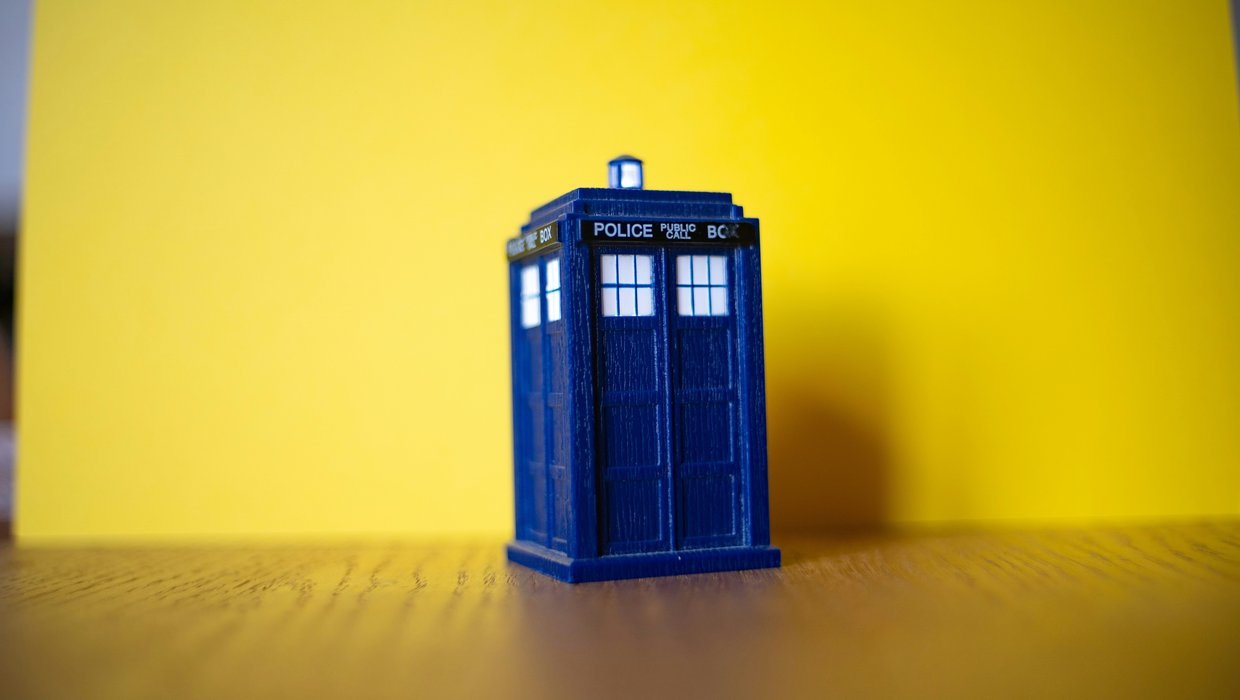
In film and TV, representation of disability is slowly growing. From disabled TV pundits commenting on amazing Paralympians, to Ruth Madeley wheeling into the TARDIS, and the inclusion of a character with a limb difference in Bridgerton.
Some of my favourite disabled films include:
- - CODA (Apple TV+) – focuses on a teenager who is the only hearing member of a family which is otherwise profoundly deaf.
- - Out of My Mind (Disney+) – based on a novel about a girl called Melody who has cerebral palsy and is incredibly intelligent, and explores her journey around school.
- - Wonder – also based on a book. A young boy called Auggie starts school for the first time. He has a facial difference and has had a complicated childhood due to the complexities of his condition.
There are many other disability-focused TV series and films. Feel free to let us and others know what your favourites are, on our socials!
Toys, play & sport
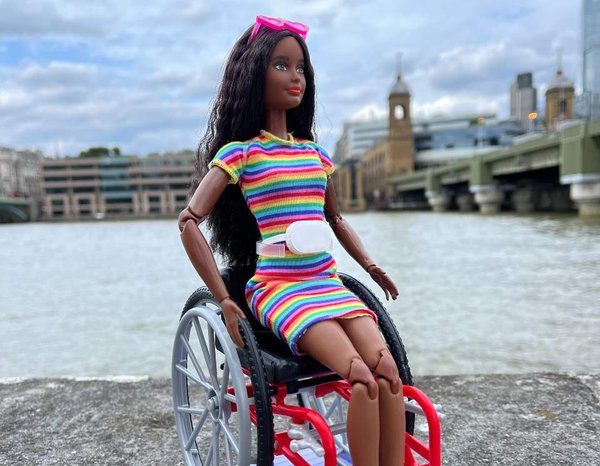
In the last few years, there has been an increase in the number of disabled toys. However, if you search for disability-friendly toys, the majority of what comes up is sensory toys. While these are useful for certain situations and conditions, disabled people deserve to play and interact with the world in the same way as everybody else.
Whizz Kidz has some ideas and inspiration here – The best toys like us for young wheelchair users this Christmas | Whizz Kidz.
As well as toys and games, outdoor play and sports are just as important. Disability sport is broadcast every 4 years for the Paralympics, on national channels such as the BBC and Channel 4.
But the broadcast of able-bodied sports across a range of fields – netball; tennis; Formula 1; football; rugby (the list is endless) – is far more common. Most of the time, these sports do not have a disabled alternative, or they are not given a big enough platform.
Additionally, the physical provision itself of disabled sport and play is very disjointed, and is not advertised effectively enough. Disabled sport is available, but it often requires a long journey to travel; there is a lack of local opportunity and resources.
This extends to green spaces and parks, most of which are awkward, clunky and inaccessible, particularly for disabled people and/or wheelchair users. You can read more about inclusive parks here: The Importance of Inclusive and Accessible Parks | Every Body Moves
Play and sport is an essential part of childhood and it should be accessible to all. Physio and other therapies are not the same as being able to participate in sports or play with your peers!
Creative & performing arts
There are plenty of disabled-friendly music, theatre and dance groups available online, as well as for arts and crafts. They are easily found through an internet search.
However, the access to creative and performing arts includes not only physical ability and access to the arts, but also the ability to enjoy it as entertainment. Disabled-friendly tickets are a hot topic. Quite often, there is broken communication between a disabled customer and a venue, regarding their needs, equipment or request. This turns what should be an enjoyable experience into something disheartening and disjointed.
Creative and performing arts is often used as an outlet; a calming tool or stress reliever. Yet disabled people are lacking access to this field – simply due to the fact that they are disabled.
A final thought
A platform is needed to give disabled people a space to relate – in whatever media capacity that may be. This is why the work of the Whizz Kidz Youth Board and our other social groups are so important. It gives disabled children and young people, as well as their relatives, the space to offload and discuss what matters.
When you grow up, your disability doesn’t fade out or stop. Disability isn’t restricted to childhood or teenage years. You don’t wake up and stop being in pain or taking medication. The “down days” don’t disappear.
You just deal with whatever your disability, your body and the environment could possibly throw at you. This seems like a big thing to non-disabled people, but it is completely ordinary for those of us who live with a disability or other condition. As a disabled person you know how to be resilient because you are forced to overcome things every day.
If you know of any sources or information relevant to this article, let us know! The more disability representation that is out there, the better. Let’s empower the next generation of young disabled people, and give them media and content that is an inspiration, not a restriction.
Sources:
Gemma Foord