



Bridgerton: The Landmark Arrival of Miss Gracie McGonigal in the Ton
Diversity Representation in the Ton
My Dearest Readers,
It is with great delight, and no small amount of quill‑quivering excitement, that this author reports a most notable development within the sparkling world of the Ton. For amid the swishing silks, whispered secrets, and romantic entanglements of Bridgerton Season Four, recently released on Netflix, a new face has graced our beloved series. And what a face it is.
Allow me to introduce Miss Gracie McGonigal, the talented actress bringing to life the vivacious and witty maid Hazel and, most importantly, the first actress with a limb difference ever to appear in the Bridgerton universe. This moment, dear readers, marks nothing less than a milestone in the Regency‑inspired entertainment.
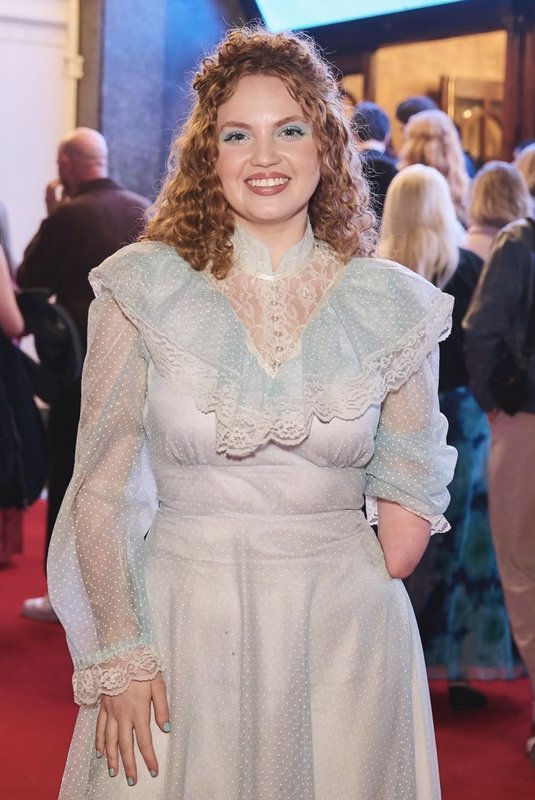

A Debut Worthy of Society’s Attention
Miss McGonigal’s arrival is not merely a casting choice; it is a triumph. Once told that her disability might hinder her career, she has proven the naysayers quite mistaken. With determination forged through challenges at drama school and early auditions, she carved her path from the West End to the sumptuous drawing rooms of Bridgerton. Her role as Hazel, though written with subtlety and grace, acknowledges her limb difference only briefly - yet her presence reverberates far beyond the screen.
In this season’s narrative, Hazel is introduced as a maid with spirit, charm, and a quiet resilience that aligns beautifully with Miss McGonigal’s own journey. On set, she adapted her performance as any consummate professional would, ensuring props and physicality matched her abilities - all while winning the affection of cast, crew, and viewers alike.
A New Era of Representation in the Ton
What makes Miss McGonigal’s debut truly groundbreaking is not simply that she is present on screen, but that she is present as herself - authentically, unapologetically, and without narrative fanfare. Her portrayal of Hazel offers audiences - especially young people with disabilities - something all too rare: the chance to see themselves in the lavish worlds of period drama, not as symbols or side notes, but as integral threads in the tapestry of story.
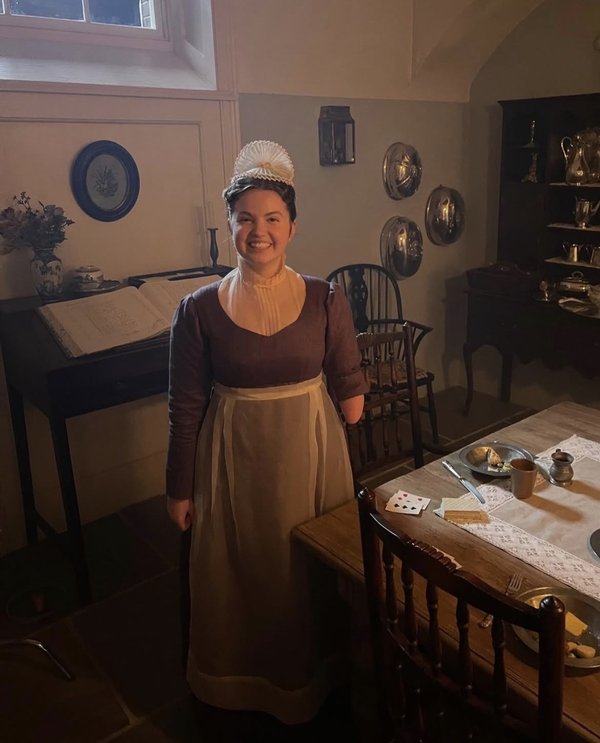
Why This Matters - for the Screen, and for Society
At Whizz Kidz, we champion young wheelchair users and disabled people across the UK, knowing representation is more than a fashionable trend. It is a means of rewriting expectations, expanding opportunity, and nurturing confidence.
Miss McGonigal’s casting announces to viewers everywhere that disability belongs on screen, in stories, and in the creative industries. By being visible, she helps normalise difference - and that visibility, dear readers, is precisely how we change the world.
Her debut has already drawn praise from disabled communities who see in her not only a performer to admire, but a mirror in which their own possibilities shine. The ballroom of representation, once selective in its invitations, is beginning at last to open its doors.
What Lady Whistledown Predicts Next
If this author may be so bold as to speculate, Miss McGonigal’s breakthrough will not be the last of its kind. For as more creators recognise the richness that diversity brings to storytelling, the Ton - and indeed the world - shall soon be filled with characters who reflect the true variety of lives and experiences.
Let this moment be a celebration not only of one actress’s achievement, but of the growing movement toward inclusion. For every young person watching Bridgerton today - especially those navigating life with a disability - may Hazel be a reminder that you deserve to be seen, your stories deserve to be told, and your talents deserve a stage as grand as any ballroom in Mayfair.
Until the next whisper reaches my pen,
Yours in admiration,
Lady Whistledown