


Inclusive Kindness: How to Be Thoughtful Without Being Awkward
Tips on how kindness can be thoughtful and inclusive.
Kindness should feel natural. Yet when it comes to disabled children, many people worry about getting it wrong- saying the wrong thing, offering the wrong help, or causing offence.
At Whizz Kidz, we see this every day. And we know this to be true: inclusive kindness doesn’t require special language or perfect behaviour. It’s about respect, choice and seeing children for who they are, not what they use to move.
Here’s how kindness can be thoughtful, inclusive and confident.
See the Child First
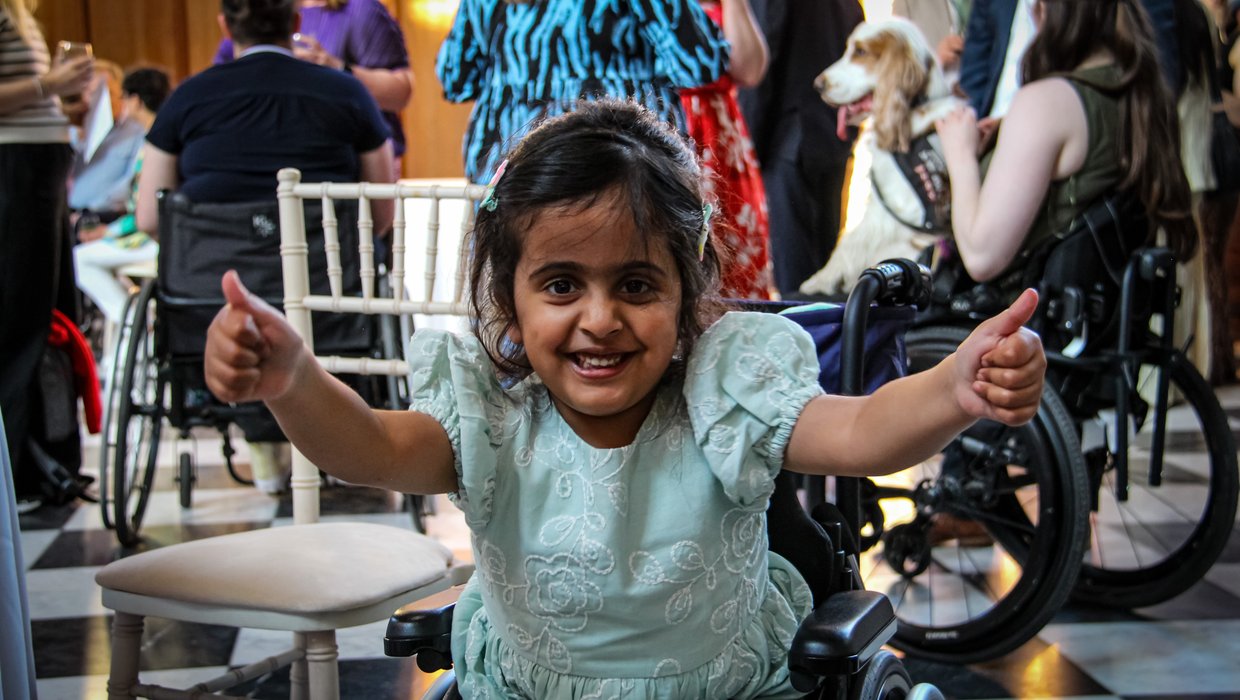
A wheelchair is a piece of equipment - not an identity. Children who use wheelchairs are exactly that: children with interests, humour, imagination and ambition.
Inclusive kindness means:
- Speaking directly to the child
- Using their name and engaging naturally
- Recognising the child before the equipment
It’s also okay to notice or appreciate the wheelchair if it’s relevant - many young wheelchair users are proud of the equipment that supports their independence. But the starting point should always be the child themselves.
Offer Help, Don’t Assume It
Kind intentions matter - but independence matters too.
Before stepping in, pause to ask:
- “Would you like a hand?”
- “Is there anything I can help with?”
And most importantly: listen to the answer.
Many young wheelchair users explain that they’re regularly offered help they don’t need. Saying no is not an invitation to step in anyway. In fact, pushing ahead despite a clear refusal can cause more problems than it solves.
Asking first and respecting the response is what makes help truly kind.
Use Everyday Language
People often worry about using the “wrong” words. In reality, everyday language is usually completely fine.
Words like walk, run or see you laterare part of natural conversation and rarely cause offence.
What matters far more is:
- Tone
- Kindness
- How we handle small mistakes
A simple acknowledgment and moving on is almost always the best approach.

Choose Inclusion Over Sympathy
Kindness is not about pity, it’s about participation.
Inclusive kindness means:
- Making sure activities and spaces are accessible
- Asking what would help someone take part
- Treating disabled children as equals, not exceptions
Inclusion sends the message: you belong here.
Respectful Curiosity Is Okay - With Care
Curiosity is part of being human. When questions are asked gently and respectfully, and when the child or parent is open to conversation, they can build understanding.
But the way a question is phrased matters. Some questions such as “What’s wrong with you?” feel intrusive, rude or demeaning.
Better approaches include:
- Focusing on the person, not their diagnosis
- Using kind, thoughtful language
- Accepting that some questions may not be answered - and that’s okay
Respect means giving space, phrasing things with care and being comfortable when someone chooses not to share.
Why Inclusive Kindness Matters
Every interaction helps shape a child’s confidence and sense of belonging. When kindness is inclusive, it supports independence, self-belief and opportunity.
At Whizz Kidz, kindness is central to our mission. It’s not just about being nice, it’s about building a society where disabled children are included, confident and able to live life without limits.
Moving Kindness Into Action
This Random Acts of Kindness Day, we encourage everyone to think about how small, thoughtful actions can create lasting change.
At Whizz Kidz, we turn kindness into practical support, providing life-changing mobility equipment, confidence-building services, and a community where young wheelchair users can thrive.
Whether you choose to support, share or learn more, your kindness can help a child move forward.