


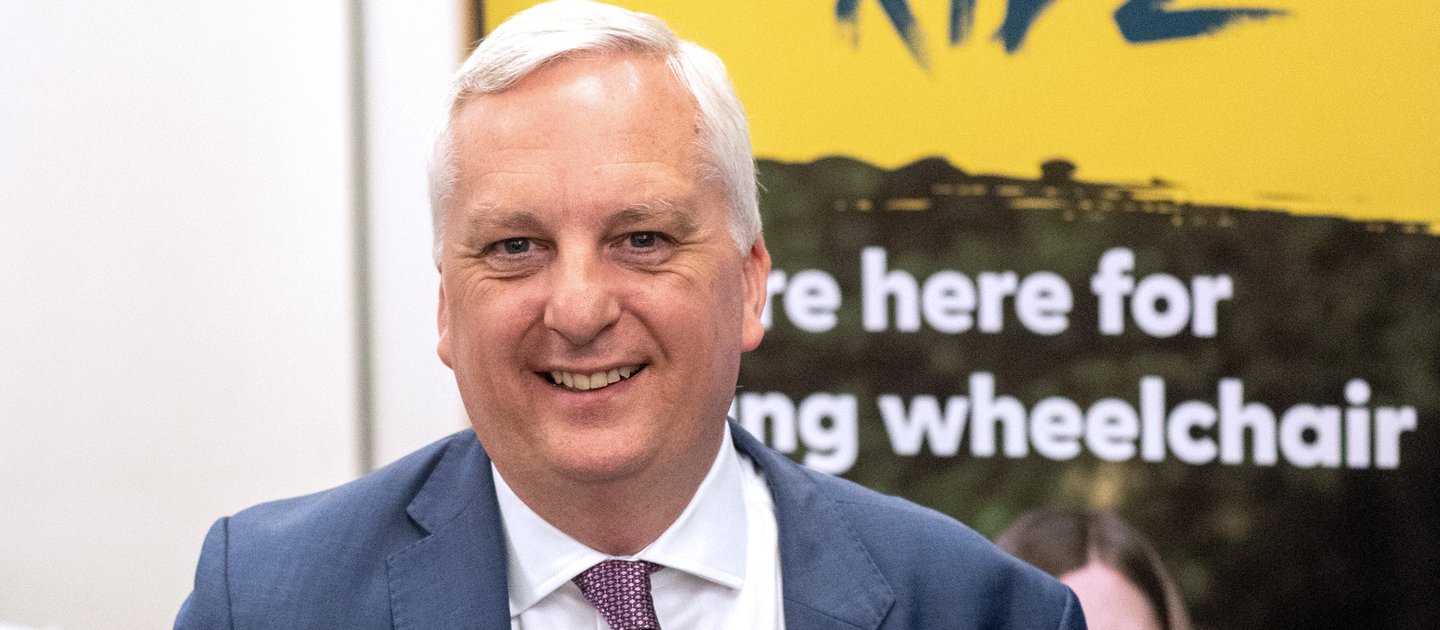
Whizz Kidz Welcomes Westminster Hall Debate on Independent Oversight of Wheelchair Provision
MP debate on the merits of establishing an independent national review body to oversee wheelchair provision in England.

Whizz Kidz welcomes today’s Westminster Hall debate, led by Daniel Francis MP, on the merits of establishing an independent national review body to oversee wheelchair provision in England. We would like to thank Daniel Francis MP for raising this vital issue in Parliament and for bringing much‑needed attention to the experiences of wheelchair users and their families. We look forward to continuing to work with him on this issue and wider matters affecting disabled children and young people.
As the UK’s leading charity for young wheelchair users, Whizz Kidz fully supports the establishment of independent national oversight as a crucial step towards fairer, safer, and more effective wheelchair services.
The need for reform is reflected powerfully in the experiences of young wheelchair users themselves. Alice, a member of the Whizz Kidz Youth Board, has faced ongoing difficulties with her local wheelchair service – issues of such concern that her MP, has raised them directly with the provider on behalf of Alice and other constituents.
Alice explains:
“The current wheelchair service is being exploited by some private companies who know the gaps in local commissioning. This has created significant geographical disparities, poor‑quality equipment, and cost‑based care instead of people‑based care. With central oversight, wheelchair services could better reflect the needs of young wheelchair users today, save the NHS money, and prevent regional inequality.”
Why this issue matters
Receiving the right wheelchair, at the right time, is fundamental to health, independence and participation in society. When the wrong equipment is provided or when children wait too long, the consequences can be severe. Poorly fitted or unsuitable wheelchairs can cause pain, postural damage, fatigue and injury, leading to poorer long‑term health outcomes. They can also restrict access to education, employment, social activities and leisure, limiting life opportunities at a critical stage of development.
Despite existing national guidance, including the NHS England Model Service Specification, Personal Wheelchair Budget guidance and the Wheelchair Quality Framework, there is limited transparency around how services are monitored, measured, or held to account. Data is collected, but it is not consistently used to drive improvements in quality, reduce waiting times or address failing services.
An inconsistent and unequal system
At the end of the 2024/25 financial year, NHS data recorded 630,000 wheelchair users registered in England, including more than 70,600 children and young people. However, NHS quarterly wheelchair data shows that since 2019, one in five children has consistently waited longer than 18 weeks to receive their wheelchair. For children with more complex needs, this rises to almost one in three, despite NHS requirements that improvement plans should have ensured timely provision years ago.
An independent national review body would help ensure accurate reporting, transparent budget planning, and meaningful accountability where services are under‑performing.
Evidence from young people and families
Evidence from All‑Party Parliamentary Groups and research led by the Whizz Kidz Youth Board reveals persistent problems across the system. Our forthcoming research highlights three clear themes: unsuitable equipment, insufficient involvement of young people and families in decision‑making, and a lack of genuine choice.
One parent told Whizz Kidz that their local service “refused to acknowledge the child’s needs, stating that development and independence weren’t important - only getting them from A to B.” Others praised individual clinicians but highlighted that professionals’ ability to help was constrained by budgetary and system‑wide limitations.
Too often, families are forced to self‑fund or rely on charitable support to access appropriate equipment, creating profound inequality and placing the greatest burden on those least able to afford it.
The case for independent oversight
An independent national review body would support:
- Consistent standards and reduced postcode lotteries
- Improved patient safety and long‑term health outcomes
- Greater workforce support, training and specialism - particularly for children and young people
- Proper implementation of Personal Wheelchair Budgets
- Stronger feedback mechanisms to drive continuous improvement
Wheelchair provision should enable young people to thrive, not merely cope. Whizz Kidz is grateful to Daniel Francis MP for championing this issue in Parliament and remains committed to working with him, and with policymakers across Government, to ensure wheelchair services truly meet the needs of disabled children and young people.
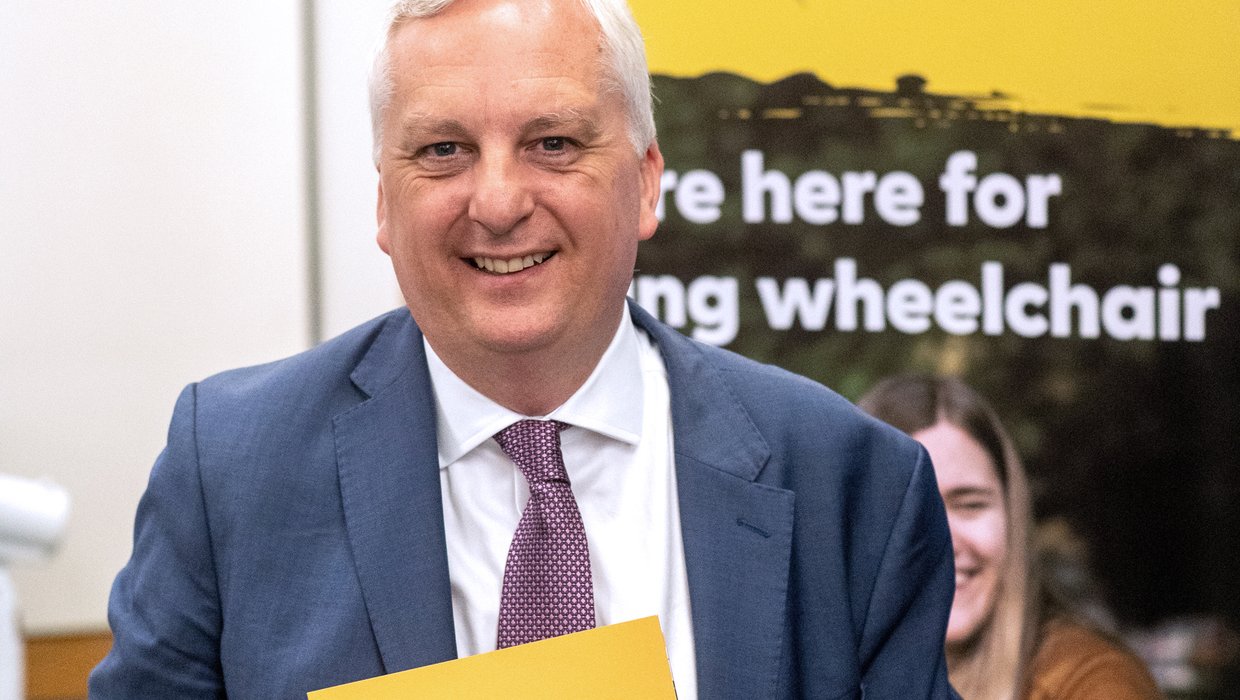
Daniel Francis MP